
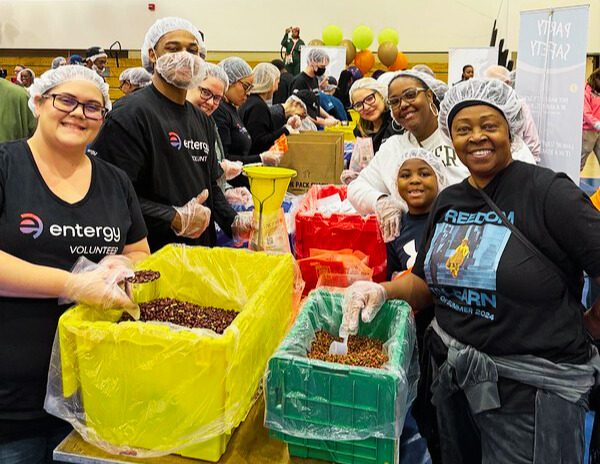
The start of the year brings fresh goals, renewed energy, and a chance to reset how teams work together. For many organizations, this season includes kickoff meetings, planning sessions, and retreats meant to align employees around a shared vision; and while strategy and goal-setting matter, some of the most meaningful team connections happen outside of the conference room, where employees can connect through meaningful experiences.
Volunteering together provides a powerful way to start the year, boosting teamwork, morale, and a shared sense of purpose while making a real difference in the community.
Why Team Connection Matters at the Start of the Year
After busy end-of-year deadlines or time away, teams often return feeling disconnected. New hires may still be finding their footing, while long-time employees might feel fatigued by routine, and engagement early in the year plays an important role in setting the tone for collaboration, trust, and motivation throughout the year.
While traditional team-building activities can be helpful, many employees crave something that feels more meaningful than icebreakers or games while reflecting on the organization’s values.
While traditional team-building activities can be helpful, many employees crave something that feels more meaningful than icebreakers or games while reflecting on the organization’s values. Volunteering provides this unique opportunity by allowing coworkers to work toward a shared goal in an environment that encourages cooperation and empathy.

Social identity theory suggests that when employees see their organization practicing corporate citizenship, they are more likely to feel connected, motivated, and committed because they identify with the organization’s positive values. In particular, when employees see their volunteer opportunities as meaningful, it helps them form positive emotional bonds with their workplace, which can increase trust and other positive behaviors (Im & Chung, Sustainability, 2018). So, by focusing on shared goals and meaningful service, volunteering helps teams build deeper connections, encourage collaboration, and bring a renewed sense of purpose back to the workplace.
Volunteering Strengthens Teamwork Naturally
When coworkers volunteer together, collaboration develops naturally. These experiences help teams build trust through shared effort and collaboration outside their usual workflows because everyone is contributing to the same outcome. People from different departments, roles, and leadership levels work side by side, titles become less important, communication becomes more open, and team members often discover strengths in one another that might not otherwise be seen during regular work projects.
Research has shown that team members who volunteer together tend to perform better in their roles, stay with their companies longer, and feel a stronger sense of belonging.
Research has shown that team members who volunteer together tend to perform better in their roles, stay with their companies longer, and feel a stronger sense of belonging. They also report higher loyalty and job satisfaction, identify more closely with their organizations, and often develop valuable workplace skills such as communication, collaboration, creativity, dedication, and active listening (Boštjančič et al., Frontiers in Psychology, 2018).
Not only does volunteering strengthen teams inside the office, but it also plays a key role in corporate social responsibility (CSR), which helps companies form relationships with external stakeholders, showcase their corporate values, and create new partnerships that might not have been possible otherwise. Supporting employee volunteering is a meaningful way for companies to demonstrate their CSR efforts, and these initiatives are often most effective when employees take an active leadership role while employers provide guidance and support (Im & Chung, Sustainability, 2018). Together, these benefits show that employee volunteering not only strengthens a team internally but also reinforces a company’s values and impact externally, making it a powerful tool for both engagement and corporate responsibility.
Boosting Morale Through Purpose
Employee morale is closely tied to purpose, and when people feel their workplace contributes to something larger than itself, engagement and motivation naturally tend to increase. Volunteering together not only gives teams a sense of impact, as employees can see how their time and effort directly benefit others, but it also creates a sense of accomplishment that goes beyond normal job responsibilities.

Experiences like these can increase job satisfaction, reduce burnout, improve retention, and strengthen pride in the organization, and starting the year with a service-focused activity sends a clear message that the company values its people, its community, and meaningful action.
Workplace culture is shaped not only by performance goals but also by shared values and experiences. For example, engagement theory suggests that employees are more engaged when their work aligns with their personal values and allows them to bring their whole selves to work. The more employees can express their authentic selves, shaped by experiences outside of work such as family, community, or personal practices, the more committed and motivated they become. In this way, authenticity at work helps drive engagement and overall job satisfaction (Glavas, Frontiers in Psychology, 2016).
When teams participate in community-focused service, they gain awareness of challenges facing families in their area, which encourages empathy, gratitude, and connection: all qualities that strengthen workplace relationships and collaboration. Employees don’t just remember what they accomplished together; they remember how it felt to make a difference.
Ready to Start the Year Strong?
The results of volunteering extend well beyond the day of the event. Shared service experiences become stories that employees revisit, reinforcing collaboration and empathy, and over time, these activities help shape a culture where people feel connected, valued, and inspired by a shared motivation.
Kick off the year with purpose by bringing your team together to make a real impact with The Pack Shack. We provide organizations with meaningful, hands-on Feed the Funnel parties to strengthen teamwork, boost morale, and help our neighbors experiencing food insecurity, all while listening to fun music, dancing, and having fun with every meal packed. When teams pack meals together, they can see the direct results of their work, rally around a clear shared goal, and know that their efforts will support families, children, and individuals in their communities.
Whether you are planning a kickoff meeting, team-building exercise, or simply just want a fun way for your organization to give back, our Feed the Funnel parties are designed to fit your goals, schedule, and team size. Start your year by making a difference together and creating an experience you and your team will remember long after the final gong smash!
Download the PDF of this article.
Further Reading
Boštjančič et al. (2018)
Corporate Volunteering: Relationship to Job Resources and Work Engagement.
Glavas (2016)
Corporate Social Responsibility and Employee Engagement: Enabling Employees to Employ More of Their Whole Selves at Work.
Im & Chung (2018)
Employee Volunteering Meaningfulness and Organizational Citizenship Behavior: Exploring the Effects of Organizational Support, Pride, and Trust.